

About Us
Connecting minds.
Accelerating impact.
Humanising the science.
Get to know us..
We exist to accelerate the development of better treatments and drive world-leading outcomes for patients – by compiling and catalysing data, pulling back systemic red tape and creating clear, accessible pathways for collaboration across research, clinical care and education.
What we do
QMI plays a unique role in Queensland’s healthcare system. We don’t just fund research or deliver care – we connect the two, so discoveries inform patient care and clinical insight shapes what gets researched next.
Our Vision
A future free from the burden of melanoma and skin cancer.
Our Mission
Bringing together clinical excellence and world-class research to better prevent, detect, and treat melanoma and skin cancer – together, faster for the Queensland community.
Our Difference..
QMI’s structure and mandate distinguish it from other oncology and melanoma organisations, including:
Translational research model
Our research is designed by clinicians and researchers together, creating a direct pathway from discovery to application – so evidence reaches practice quickly and effectively.
Integrated network
Equity of access
Our Governance..
The QMI Steering Committee provides oversight, strategic direction and governance to guide QMI.
The Steering Committee ensures QMI’s development remains aligned with its strategic objectives, stakeholder interests and regulatory requirements. It monitors progress, reviews key proposals, manages risk, and supports transparent, responsible decision-making.
The Steering Committee includes leaders in clinical care, research and consumer representation.
QMI Steering Committee members
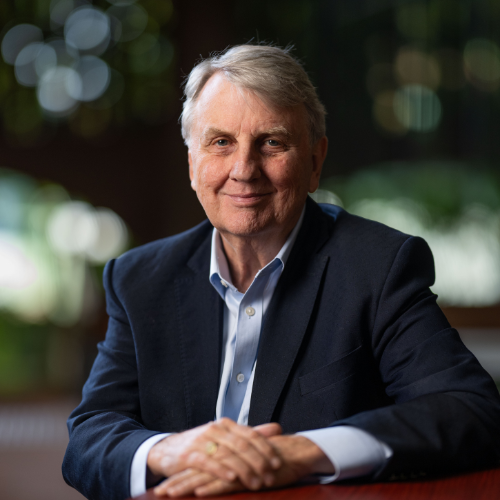
Emeritus Professor Mark Smithers AM (Chair)
Surgical oncologist with 38 years at the Princess Alexandra Hospital (PAH) Melanoma Clinic; former Chair of both the PAH melanoma/advanced skin cancer multidisciplinary team and the Queensland Melanoma Project. Local principal investigator on several pivotal international surgical trials for melanoma. Former Mayne Chair in Surgery and head of the Academy of Surgery at the University of Queensland. Former President of the Australian and New Zealand Gastric and Oesophageal Surgery Association. Co-convener of the World Congress for Melanoma (2020) and Australian Melanoma Conference (2023), with multiple publications on melanoma management across all disease stages. Board member, Melanoma Patients Australia. Member of the Order of Australia for service to medicine in the fields of gastro-intestinal and melanoma surgery, to medical education and to professional organisations.
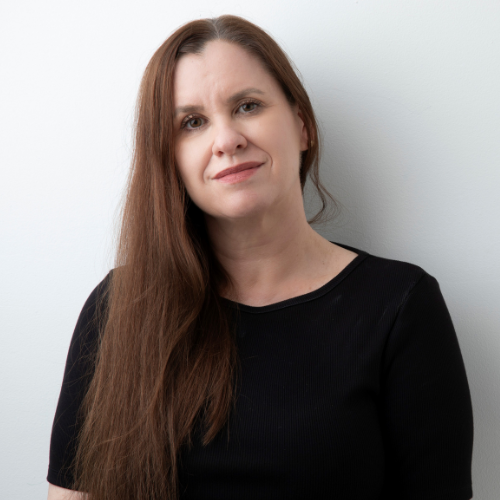
Professor Victoria Atkinson
Senior Medical Oncologist and lead oncologist at the PAH Melanoma Clinic; Co-director of the Queensland Melanoma Project. Internationally recognised for managing advanced melanoma, with an active role in pivotal clinical trials and multiple high-impact publications on metastatic and high-risk disease. Member medical subcommittee at Melanoma Patients Australia and European Society of Medical Oncology Faculty Member (Tumour Immunology and Immunotherapy and Investigational Immunotherapy).
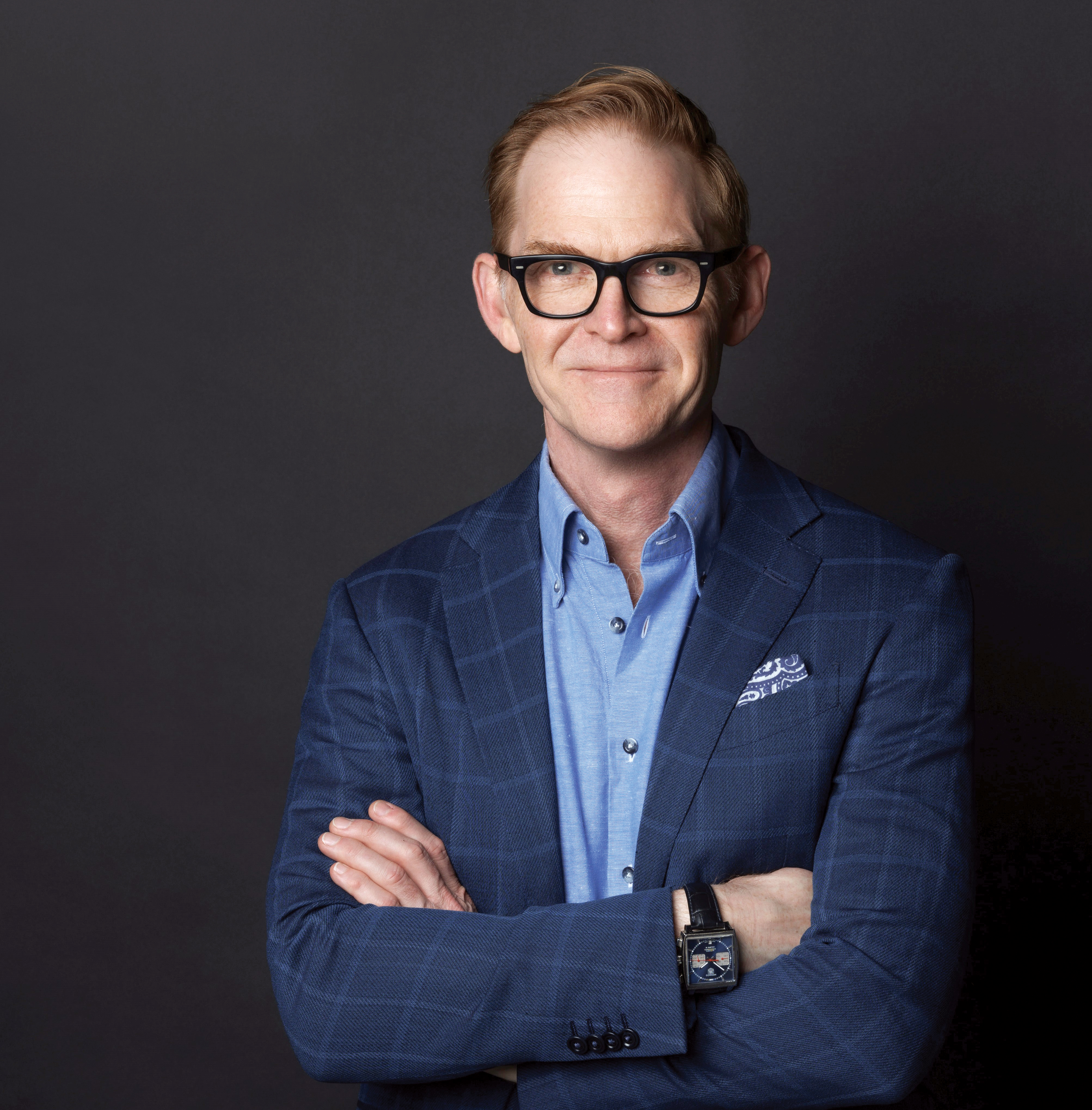
Professor Andrew Barbour
Surgical oncologist, clinical trialist and translational researcher with 20 years' experience in melanoma management including PAH Melanoma Clinic and Queensland Melanoma Project. Heads the Surgical Oncology Group at the University of Queensland's Frazer Institute, and was a member of the working party for the Cancer Council Clinical Practice Guidelines for the Management of Cutaneous Melanoma, now completed and published.
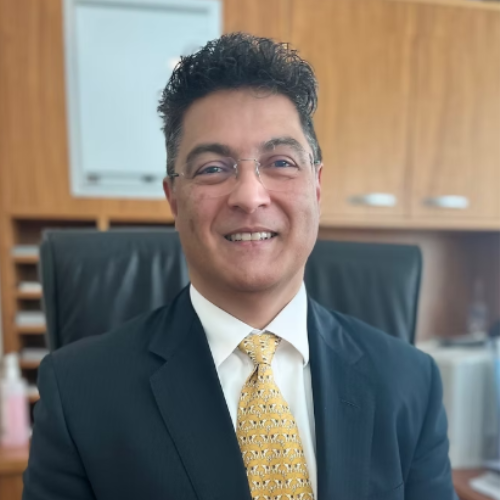
Dr Gerard Bayley
Plastic and Reconstructive Surgeon with dual fellowships (General Surgery, 1999; Plastic and Reconstructive Surgery, 2003), specialising in breast reconstruction, melanoma management, and post-bariatric surgery. Visiting Plastic Surgeon at PAH for over 20 years, with Head and Neck Clinic involvement during that time; and now surgical lead of PAH Melanoma Unit, and the newly created Complex Skin Cancer Clinic at PAH. Director of the Plastic Surgery Unit at Greenslopes Private Hospital, and Chair of its Medical Advisory Committee for the past 5 years (11 years on the committee).
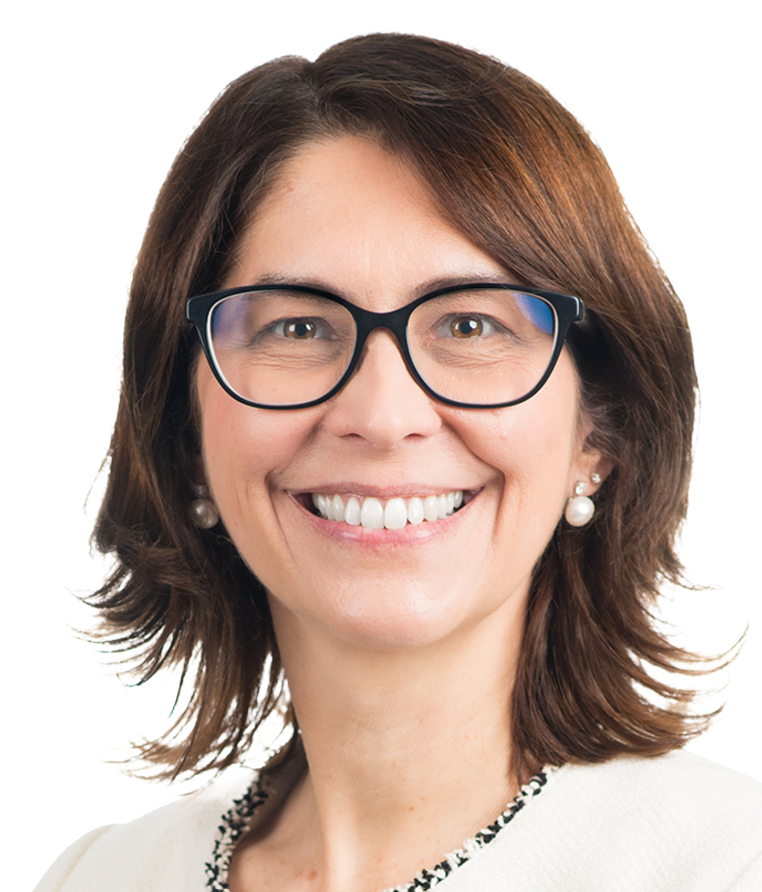
Associate Professor Helen Benham
Chief Research and Innovation Officer, Metro South Health. Executive portfolio leading translation of research into healthcare outcomes. Clinician researcher with experience across the research pipeline from translational science through to implementation.
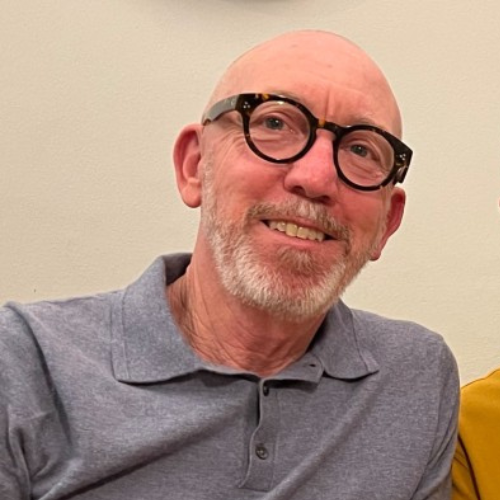
Alex Farenden
Founding Director of ACT Logistics, a leader in IT Asset Lifecycle Management, the Circular Economy and Recycling. With 35 years experience in the IT Industry including technical, sales and management roles for SME and multinational organisations. Melanoma survivor; he serves as the Consumer Representative on the Steering Committee.
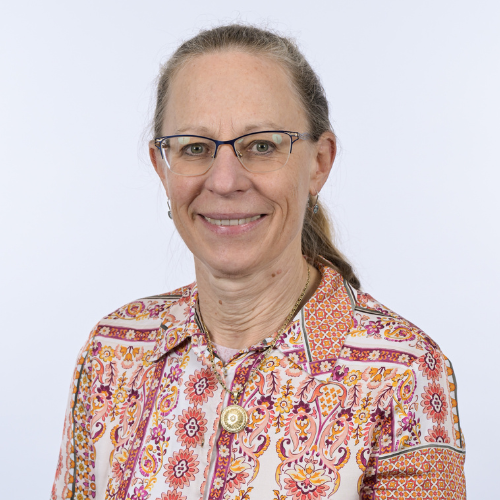
Professor Monika Janda
Deputy-Director of the Frazer Institute and Professor of Behavioural Science, University of Queensland. Leads the NHMRC Centre for Research Excellence in Skin Imaging and Precision Diagnosis and the NHMRC funded Synergy Roadmap Towards Melanoma Screening. An internationally recognised behavioural scientist advancing skin cancer prevention and early detection toward a national screening program, currently holding an NHMRC Investigator Fellowship.
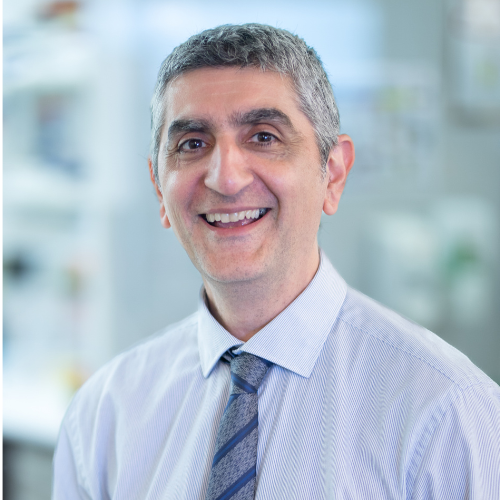
Professor Kiarash Khosrotehrani
The inaugural St Baker-Soyer Chair in Dermatology, University of Queensland (UQ), Director of the Frazer Institute, UQ, and Director of Dermatology, PAH. Nationally and internationally recognised for research into skin cancer biology and early diagnosis, with an active research program in keratinocyte (non-melanoma) skin cancer. Board director at the Australasian College of Dermatologists and the Queensland Skin and Cancer Foundation. Past-President of the Australasian Society for Dermatology Research and former Editor-in-chief of the Australasian Journal of Dermatology.
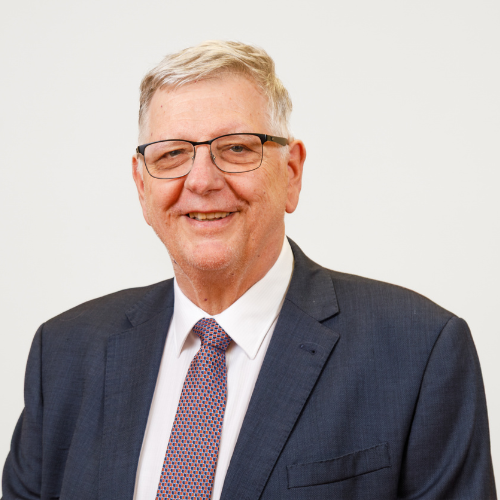
Professor H. Peter Soyer AO
Leading Australian and international dermatologist specialising in melanoma precursors, high-risk identification, and early diagnosis tools. Former Director of the PAH Dermatology Department and inaugural Chair in Dermatology at the University of Queensland. Leads the Australian Centre of Excellence in Melanoma Imaging and Diagnosis, recipient of the 2026 Shaping Australia Award. 650+ publications, mostly on melanoma and skin cancer. Co-convener of the World Congress for Melanoma (2020) and Australian Melanoma Conference (2023), and former Editor-in-chief of the Australasian Journal of Dermatology. Officer of the Order of Australia for distinguished service to dermatology, to the diagnosis of skin cancer, to medial research and development, and to governance roles.
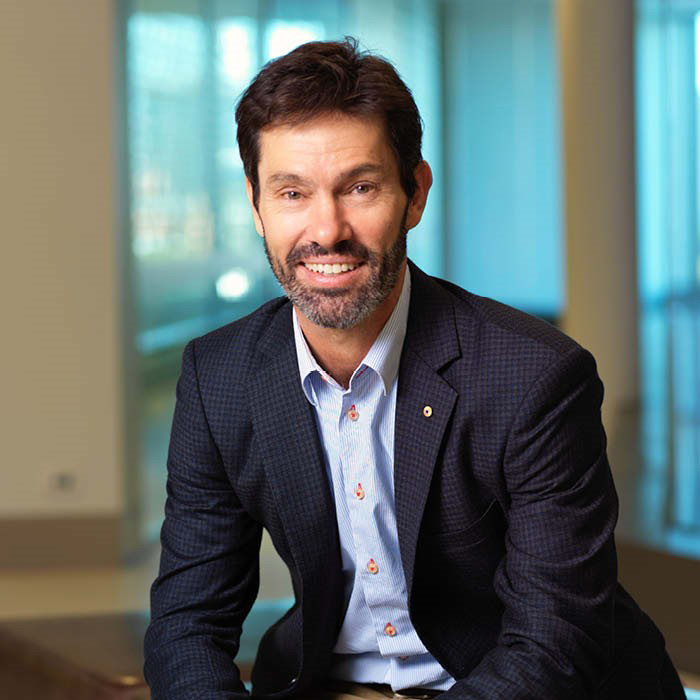
Professor David Whiteman
Distinguished Scientist at QIMR Berghofer. Medical epidemiologist specialising in melanoma and skin cancer causes, control and prevention. Principal Investigator of QSKIN, a prospective cohort study of 43,000+ people. Chairs the Expert Advisory Committee for the Roadmap for a National Targeted Screening Program for Melanoma. Fellow of the Australian Academy of Health and Medical Sciences, and the Australasian Faculty of Public Health Medicine, Honorary Fellow of the Skin Cancer College of Australasia. Member of the Order of Australia for his services to cancer epidemiology.
Our History
The Queensland Melanoma Institute builds on more than 60 years of melanoma leadership in Queensland.
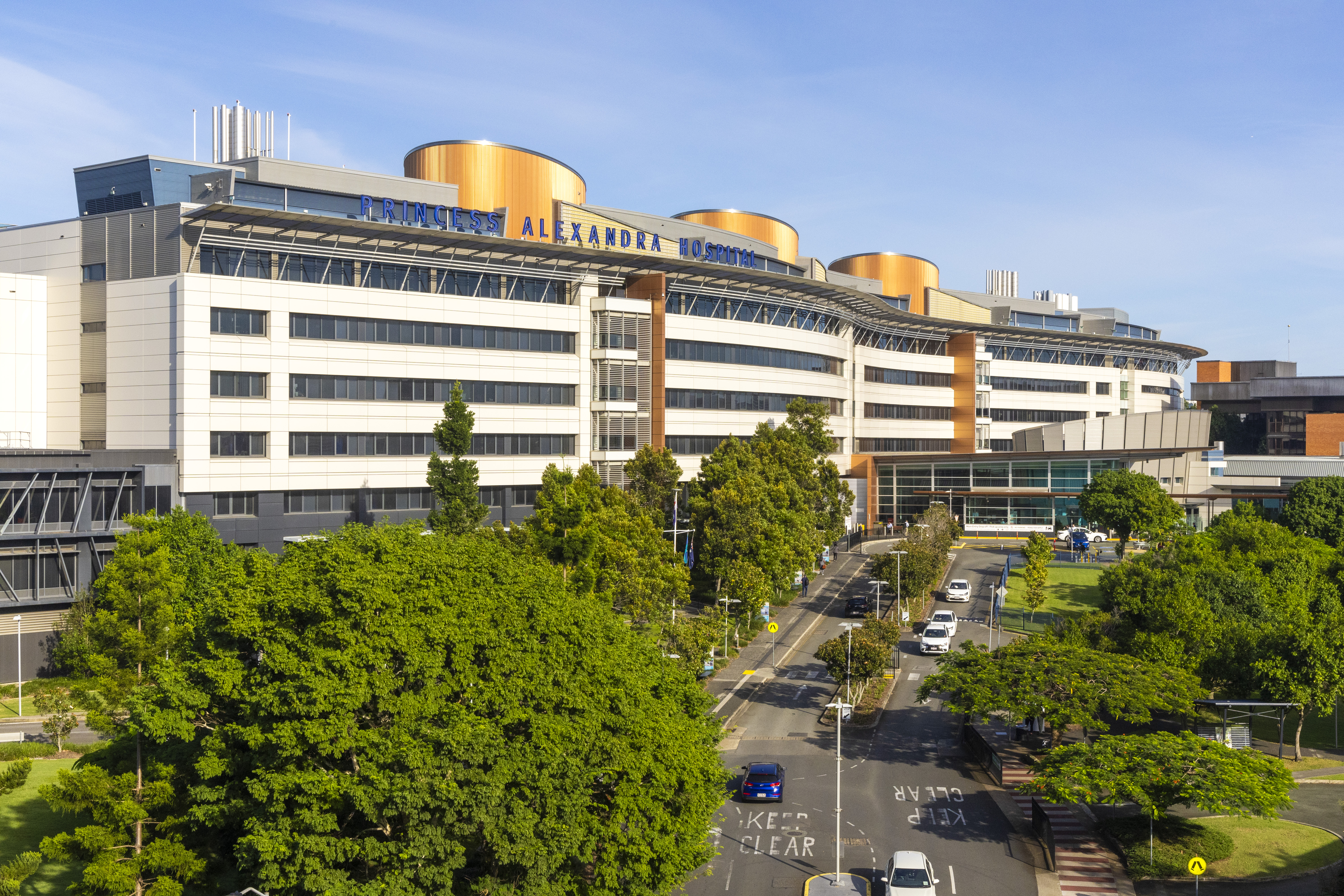
In 1963, Dr Neville C. Davis established the Queensland Melanoma Project at Princess Alexandra Hospital, launching the world’s first large, single-centre epidemiological study of melanoma. The project’s findings helped shape global understanding of the disease and reinforced the life-saving importance of early diagnosis.
Over the following decades, the program evolved into Queensland’s first specialised multidisciplinary melanoma clinic, integrating surgery, medical oncology, radiation oncology and clinical research. It led significant advances in surgical innovation, introduced new treatment techniques to Queensland, and became a nationally recognised centre for clinical trials.
Under successive leadership, including Professor Mark Smithers, and now co-directors Professor Victoria Atkinson and Professor Andrew Barbour, the program has continued to strengthen its reputation for clinical excellence and translational research.
Today, the Queensland Melanoma Project coordinates a comprehensive clinical trials program across surgical, radiation and systemic therapies. The melanoma clinic is recognised as one of the premier centres of its kind in Australia, maintaining a strong national reputation for advancing care and improving outcomes for patients with melanoma.
This legacy underpins QMI – a future-focused institute that connects care, research and education, so patients with melanoma and complex skin cancer benefit sooner.
Follow, share and join the conversation
Stay connected and follow QMI socials for research news, stories and updates.
Subscribe
Sign up to stay in the loop - news, new work, and updates straight to your inbox