

Research
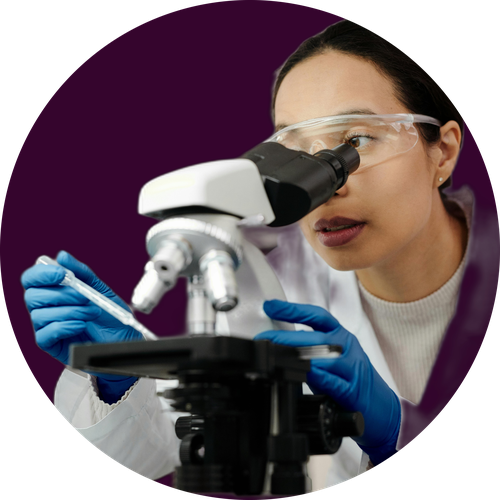
At QMI, we build the connective network between Queensland’s researchers and clinicians – compiling data, clearing red tape and opening pathways for collaboration – so we understand melanoma and complex skin cancers faster, develop more effective treatments sooner, and improve outcomes for patients across Queensland and beyond.
Melanoma and complex skin cancers affect Queenslanders at some of the highest rates in the world, and the answers to better prevention, diagnosis and treatment are already being pursued by talented researchers and clinicians across the state. The challenge is bringing that work together.
By working as one connected community, we can understand melanoma and complex skin cancers sooner, develop more effective treatments more quickly, and turn discoveries into real improvements in care for patients across Queensland and beyond.
Focus Areas..
We drive innovation through supporting programs that cover:
Prevention & Early Detection
Clinical Trials
Testing new therapies and approaches to bring cutting-edge treatments to patients faster
Education & Knowledge Sharing
Translating research findings into practical guidance for clinicians & the community
QMI Network
QMI is powered by a community of individuals and organisations who've backed us with their time, expertise and goodwill. This network of researchers and clinicians has played a part in getting us to where we are today — and we're proud to keep building this work together.

Dr Chris Allan
Surgical Oncologist, Mater Hospital Brisbane and Mater Private Hospital
Dr Allan specialises in general, breast and endocrine, melanoma, and soft tissue sarcoma surgery, and is involved with the Melanoma Clinic at Princess Alexandra Hospital. His general surgical practice also covers hernia repair, gallstones, acute abdominal emergencies, and spleen, adrenal, and lymph node conditions. Find out more..
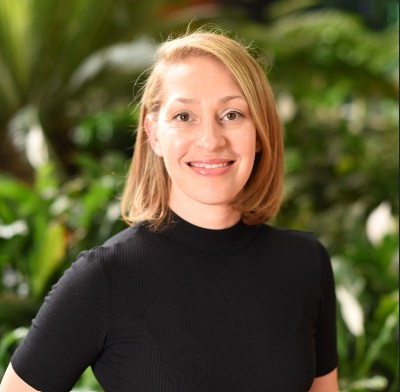
Cell and Molecular Biologist, Frazer Institute, University of Queensland
Dr Aoude's research explores barriers to precision oncology in melanoma, integrating genomic sequencing with clinical, pathological and imaging data to build more accurate prognostic tools. Recent work includes patient-derived organoid models that support a personalised approach to treatment.
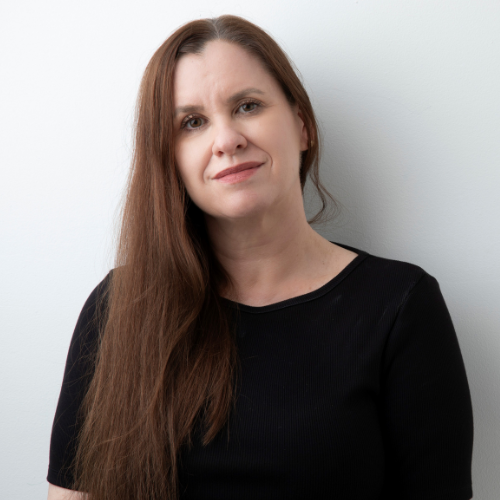
Medical Oncologist, Princess Alexandra Hospital & Greenslopes Private Hospital
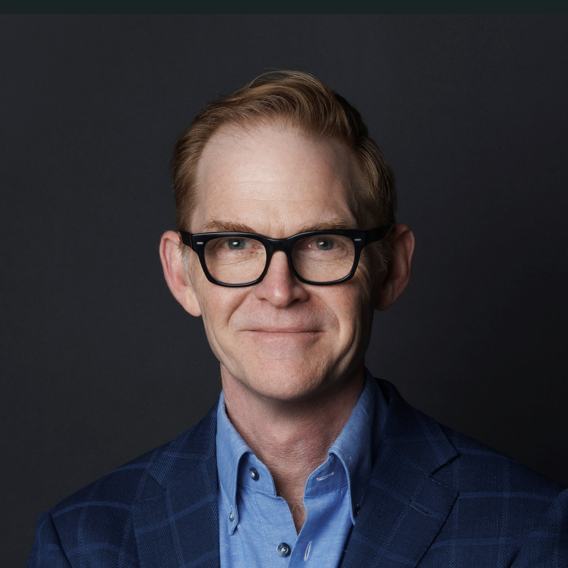
Surgical Oncologist, Princess Alexandra Hospital / Cell and Molecular Biologist, Frazer Institute, University of Queensland
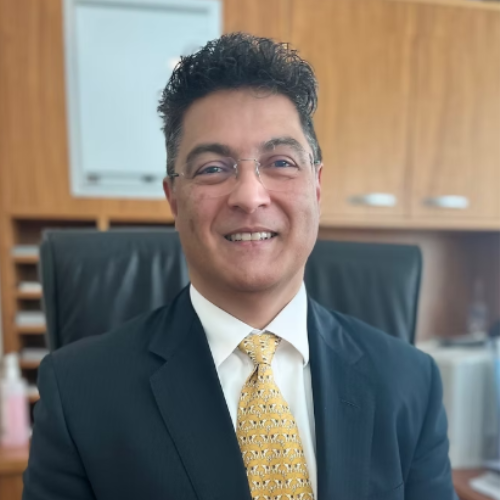
Plastic and Reconstructive Surgeon, Princess Alexandra Hospital & Greenslopes Private Hospital
Dr Bayley specialises in breast reconstruction, melanoma management, and post-bariatric surgery. Visiting Plastic Surgeon at PAH for over 20 years, now surgical lead of the PAH Melanoma Unit and its newly established Complex Skin Cancer Clinic.

Anatomical Pathologist, Pathology Queensland, Princess Alexandra Hospital
General Surgeon, Mater Hospital & Princess Alexandra Hospital
Dr Cross specialises in acute and emergency surgery, melanoma, and sarcoma surgery, with subspecialty expertise in skin cancer, soft tissue sarcoma, and general surgical conditions including hernias and gallstones. He also lectures at University of Queensland and serves as Senior Instructor for the RACS Emergency Management of Severe Trauma Program, and is the Mayer Biobank clinical lead.
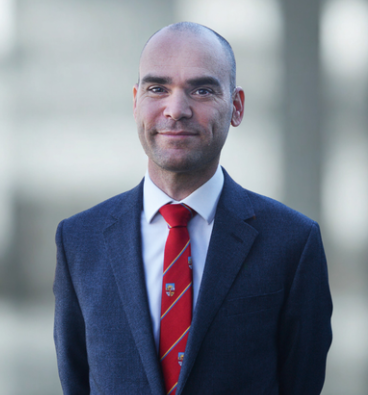
General Surgeon, Princess Alexandra Hospital and Greenslopes Private Hospital
Dr Frankel is a consultant surgeon in the Upper Gastrointestinal, Skin and Soft Tissue unit at the PA Hospital. He has a PhD in cancer genomics and is active in both basic science and clinical research. He is also very involved in surgical education, training, and quality improvement within Queensland Health.
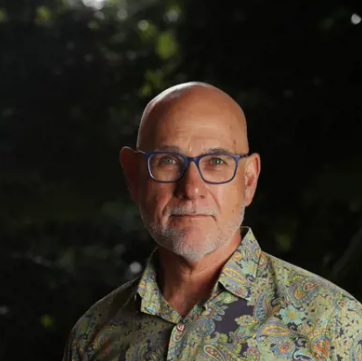
Cell and Molecular Biologist, Mater Research
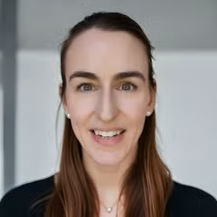
A/Professor Goldinger works at the intersection of clinical dermatology, artificial intelligence and longitudinal imaging, with a focus on skin cancer detection and surveillance. Her research develops equitable, data-driven diagnostic tools, using large datasets to improve accuracy and ensure AI-powered tools work across diverse patient populations.
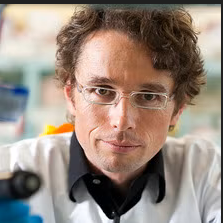
Professor Haass and his team investigate how different subpopulations of melanoma cells drive disease progression, aiming to develop therapies that target these subpopulations simultaneously. He uses advanced techniques such as real-time imaging of melanoma cells in 3D culture and in vivo to study tumour heterogeneity.
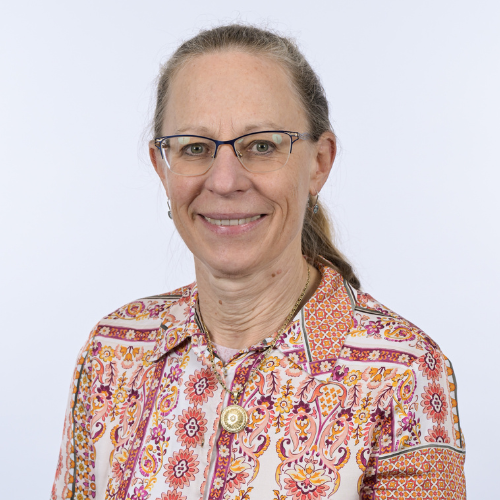
Professor Janda practices a patient-centred approach to research, with interests including melanoma prevention and early detection, as well as quality-of-life and supportive care. She has a strong focus on digital interventions and innovative methods to support health service delivery and self-management and improve health behaviours.
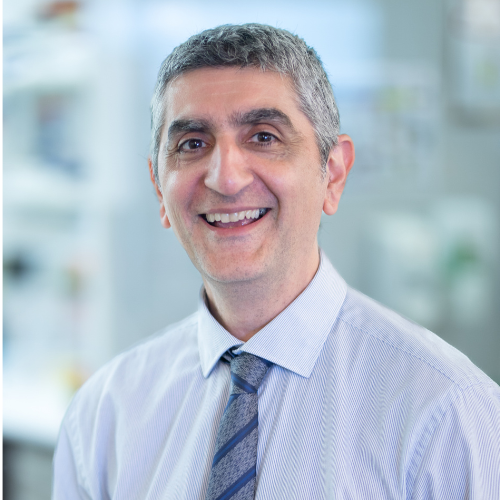
Professor Khosrotehrani translates skin biology and regenerative medicine research into real-world clinical solutions, with an interest in skin cancer. He has a particular focus on understanding injury response as a contributor to cancer initiation and progression, and leads a number of clinical trials in keratinocyte cancer and melanoma.
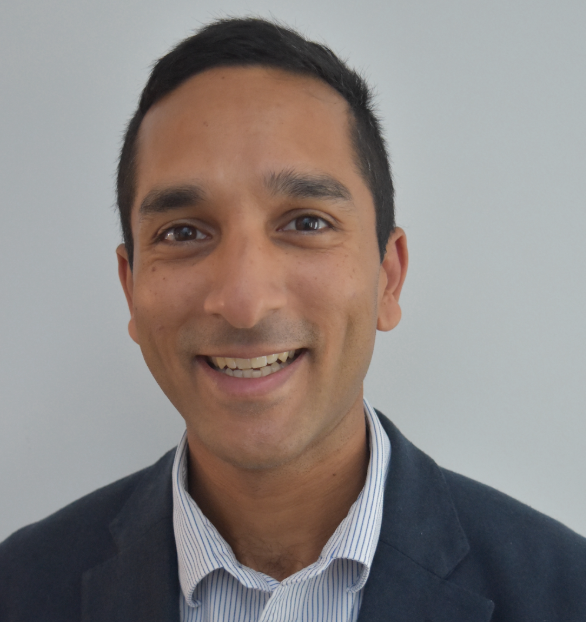
A/Professor Ladwa leads clinical research addressing diverse aspects of complex skin cancer, aligned with his multi-disciplinary treatment approach. Particular interests include cancer frailty and cancer fatigue, and use of immunotherapies prior to surgery to reduce the burden of skin cancer.
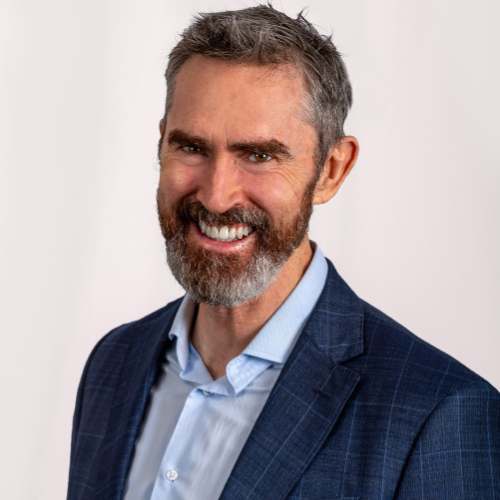
Histopathologist, Sullivan Nicolaides Pathology & Pathology Queensland, Princess Alexandra Hospital
A/Professor Lambie has a special interest in dermatopathology and has contributed to the development of structured pathology reporting protocols for keratinocyte cancer, melanoma and Merkel cell carcinoma. His current research spans epidemiology and pathology of melanoma, including melanoma in situ.
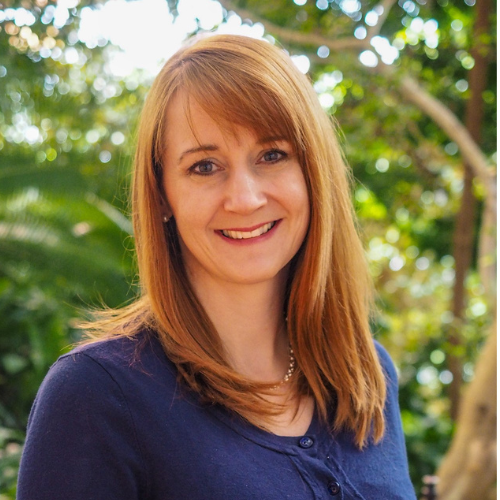
A/Professor McInerney-Leo’s research focuses on bringing genomics into clinical care. Current projects include mainstreaming genetic testing for melanoma into dermatology practice and using exome sequencing to identify new inherited melanoma genes.
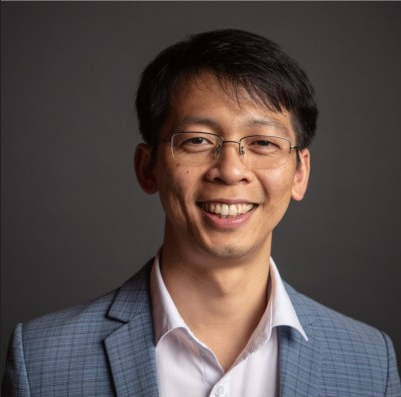
Computational Biologist, QIMR Berghofer
A/Professor Nguyen develops computational and statistical methods to analyse cutting-edge genomics techniques to advance understanding of cancer, including melanoma and keratinocyte cancer. He has a particular interest in employing machine learning alongside high-plex spatial data to discover new therapeutic targets and extract diagnostic and prognostic value from histopathological images.
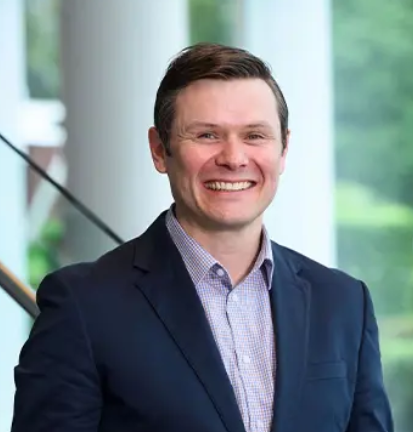
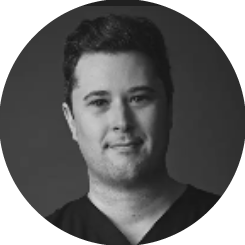
Dr Read’s research focuses on multiple aspects of the clinical management of melanoma, including treatment evaluation, strategies for improved disease management, and novel therapeutics for advanced locoregional disease.
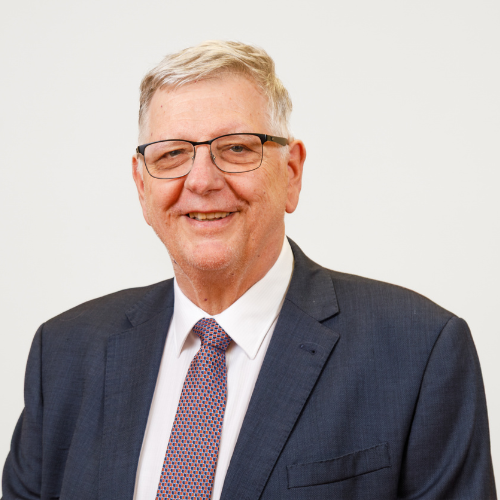
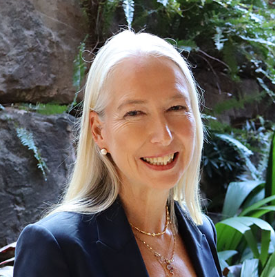
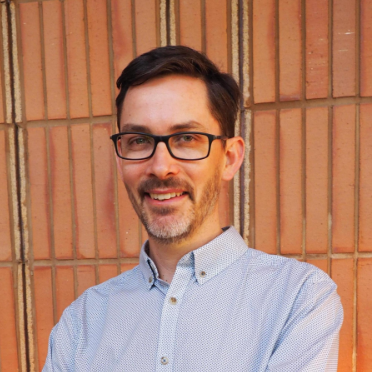
A/Professor Stark- Co-Director Dermatology Research Centre, Frazer Institute, uses advanced genomic and bioinformatic techniques to understand pre-melanoma naevi and melanoma progression, and the biology behind familial predisposition. His group's major research streams include miRNA biomarkers for melanoma progression and a Genomics Atlas of pre-skin cancer lesions, with a view to developing clinically instructive predictive biomarkers.
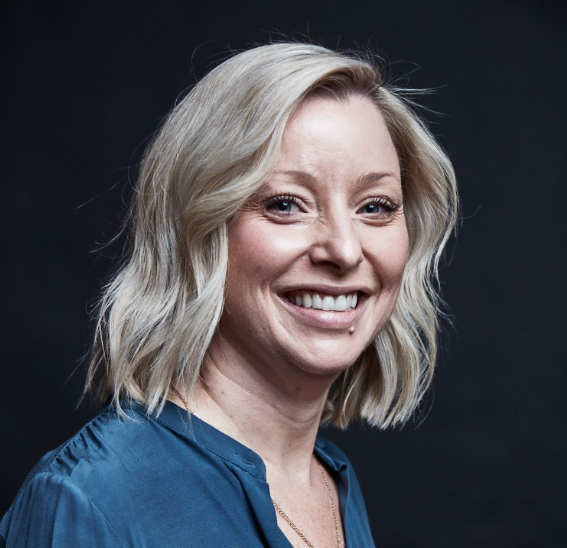
A/Professor Stehbens studies the physical forces melanoma cells encounter during metastasis. Leading a team of biologists and engineers, they combine patient-derived tumour cells with advanced imaging to understand how melanoma cells withstand this physical stress. Their work has uncovered new vulnerabilities that can be selectively targeted to prevent melanoma from spreading, laying the foundation for next-generation anti-metastatic therapies.
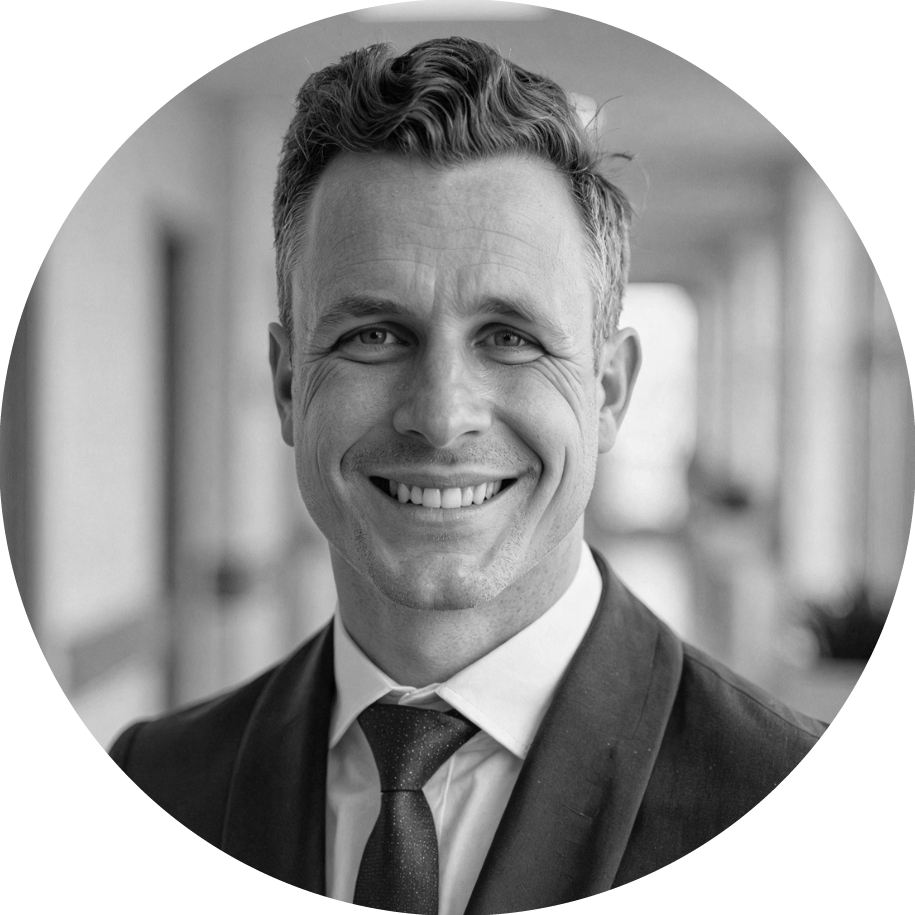
Plastic and Reconstructive Surgeon, Princess Alexandra Hospital and Mater Hospital Brisbane
Dr Watson’s clinical practice focusses on surgical oncology and reconstructive microsurgery. His subspecialty expertise spans skin cancer and melanoma, breast surgery (aesthetic and reconstructive), microsurgery, and lymphovascular reconstruction.
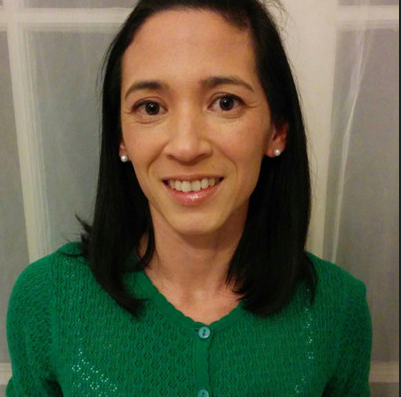
Specialist General Surgeon, Princess Alexandra Hospital & Logan Hospital
Dr Webb has extensive experience in laparoscopic surgery and trauma care and has a special interest in emergency and trauma surgery, laparoscopic surgery, hernia repair, gallbladder disease, and melanoma.
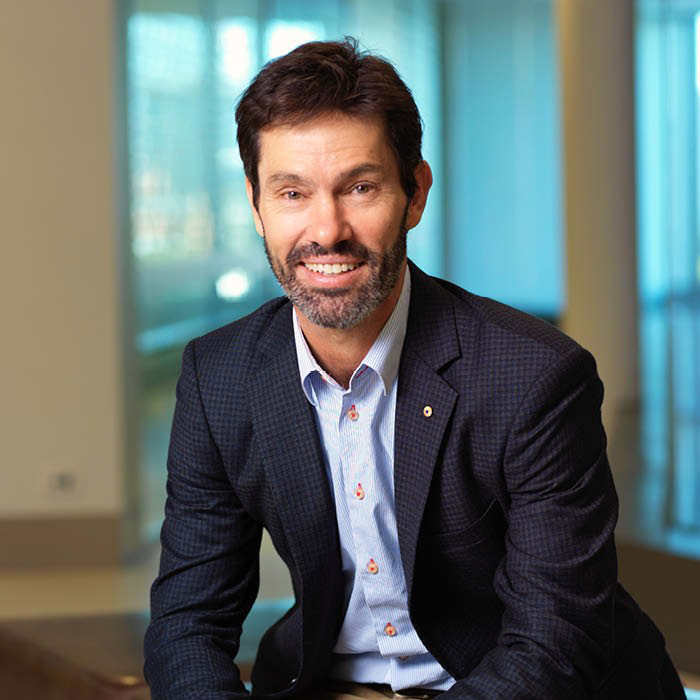
Medical Epidemiologist, QIMR Berghofer
Professor Whiteman leads the QSkin Study, the world's largest prospective study of skin cancer with almost 44,000 participants, measuring risk factors for melanoma and other skin cancers. His research spans discovering how genetic and environmental factors cause skin cancer, through to applying this knowledge in prevention and control.
Plastic and Reconstructive Surgeon, Greenslopes Private Hospital and specialist consultant at Princess Alexandra Hospital
Dr Samuel Yang is visiting specialist at the PAH, where he participates in the Melanoma Unit and cares for public patients, alongside teaching Plastic Surgery trainees and lecturing medical students at the University of Queensland.
Research with us
Have an idea for a study? Looking to get your research off the ground?
QMI is your first port of call – we welcome collaborations with researchers, clinicians and community members who share our goal of advancing melanoma knowledge.
Subscribe
Sign up to stay in the loop - news, new work, and updates straight to your inbox